Diversity and inclusion in business organizations and employer branding were the topics of projects developed by students of VERN's new specialized graduate study program in Human Resources Management.
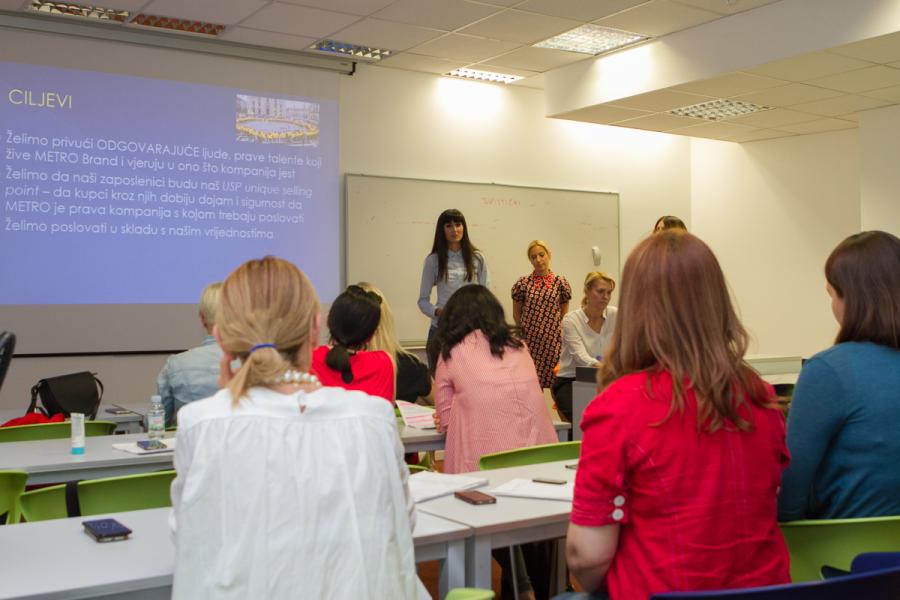
Diversity and inclusion in business organizations and employer branding were the topics of projects developed by students of VERN's new specialized graduate study program in Human Resources Management , within the framework of the company-partner concept, on real business cases of companies in Croatia.
As part of the project assignment on the topic "Diversity and inclusion as a source of advantage", Erste&Steiermärkische Bank in Croatia , student teams were tasked with designing a systematic approach to diversity management in the Erste Group in Croatia. In doing so, they had to pay special attention to the following segments: creating conditions for greater diversity in the business organization, ensuring organizational efficiency by integrating diversity, raising awareness, and defining key indicators for evaluating the activities carried out.
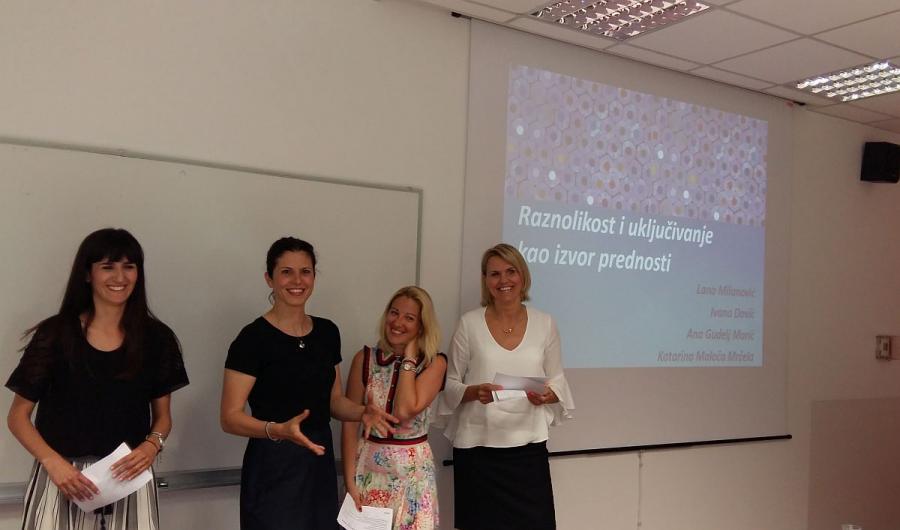
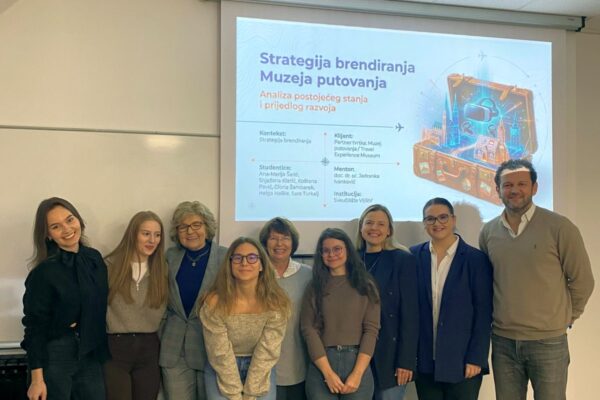
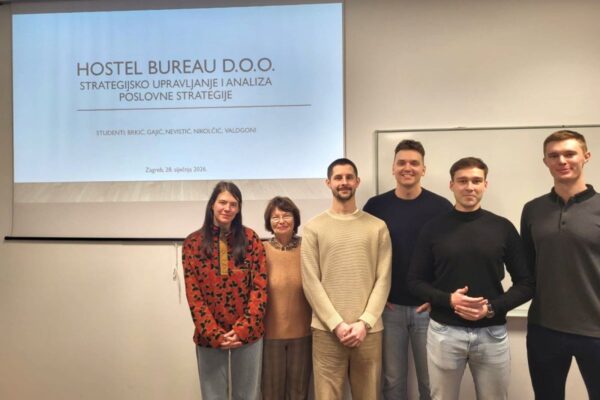
After the presentation, the student projects were evaluated by business and academic mentors, Maja Crnjak , Director of the Human Resources Department at Erste&Steiermärkische Bank dd, and lecturers on the course, Tanja Pureta and Maja Kolega .
The second project, on the topic "Development of the image of a desirable employer", was solved by the students of this study for the company METRO Cash&Carry . Their task was to create the strategy and visual identity of METRO Cash&Carry's Employer Branding and to devise a way of communicating key messages, important for attracting new and retaining existing employees.
The teams presented their project solutions to academic and business mentors, lecturers Nikolina Borčić and Kristina Priseker , and Nela Bučević , Director of the Human Resources and Corporate Communications Department at Metro.
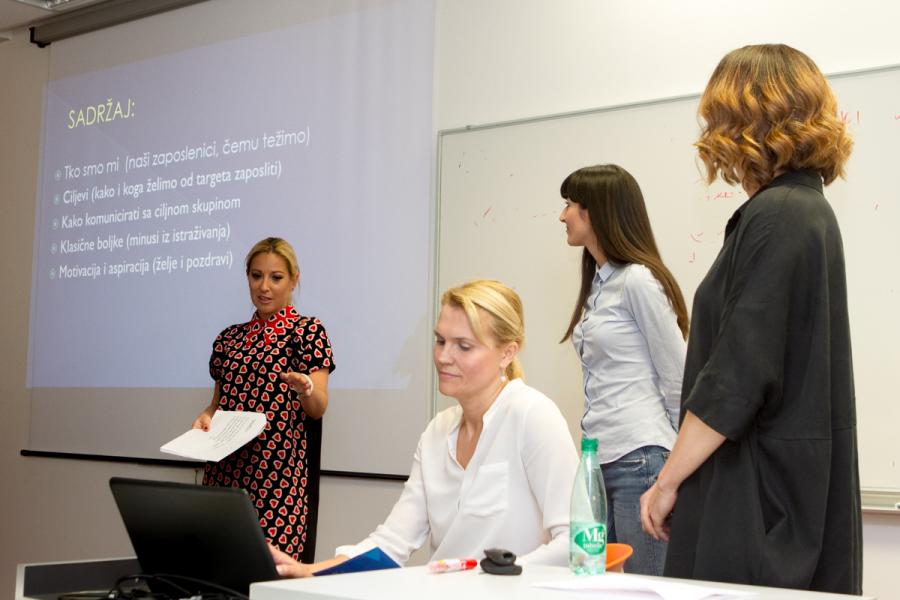
As a reminder, VERN', within the framework of the company-partner concept, collaborates with successful companies in Croatia by implementing their business cases into the teaching process, thus integrating students into a real business environment, through work on real business cases. The concept is divided into three segments – theoretical classes, introduction to the project assignment and work on the project, and presentation before a panel of experts – and students develop their projects throughout the semester. They present their solutions to academic and business mentors – lecturers and company representatives – who evaluate the students' solutions.