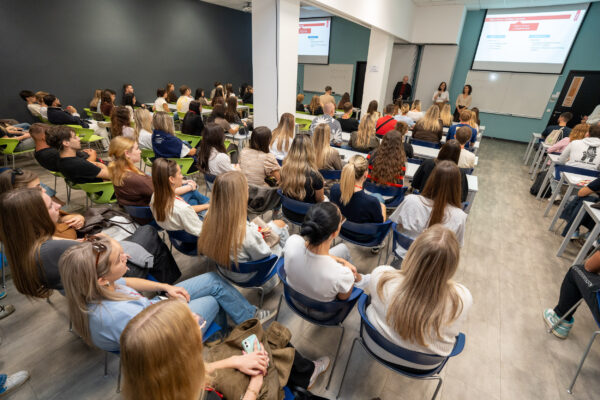
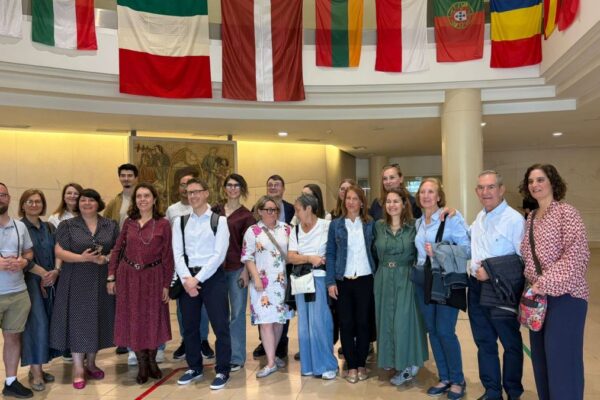
Participants discussed the importance of academic mobility for the strategic exchange of knowledge and practices between different university missions.
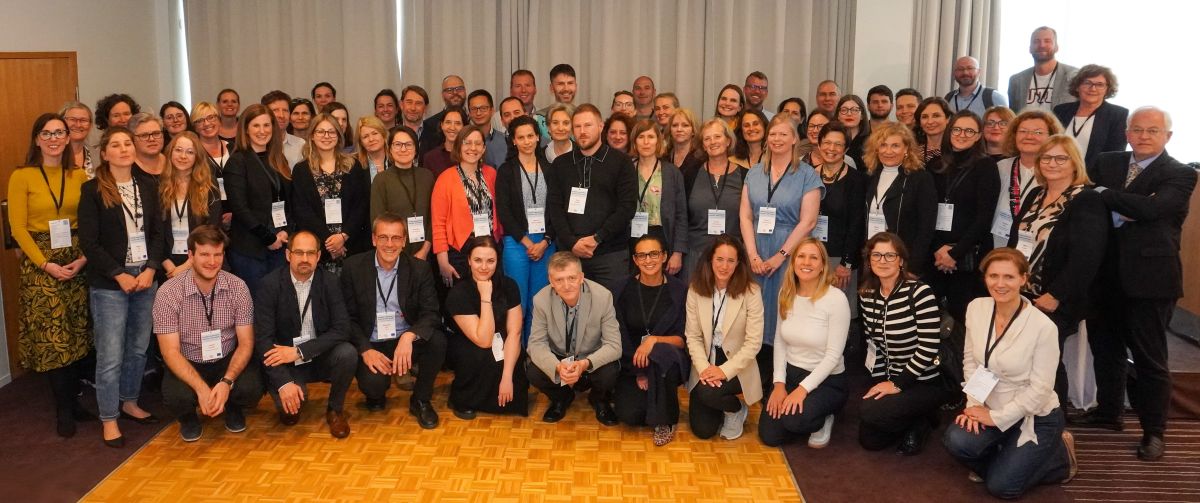
Our vice-rector for studies , Stana Odak Krasić, participated in the conference "Strategic approaches to Erasmus+ academic staff mobility", which was held in Reyjkavik, Iceland.
The conference was hosted by Rannis, the Icelandic National Agency for the Erasmus+ programme, in partnership with five other European national Erasmus agencies: the Croatian Agency for Mobility and EU Programmes (AMEUP), the Centre of the Republic of Slovenia for Mobility and European Education and Training Programmes (CMEPIUS), the Czech National Agency for International Education and Research (DZS), the Austrian Agency for Education and Internationalisation (OeAD) and the Tempus Public Foundation (TPF), and the Association for Academic Cooperation (ACA).
The aim of the conference was also accompanied by the activities among the participants, and the key was to highlight the strategic importance of academic staff mobility within the Erasmus+ program between different university missions and to encourage the exchange of good practices.
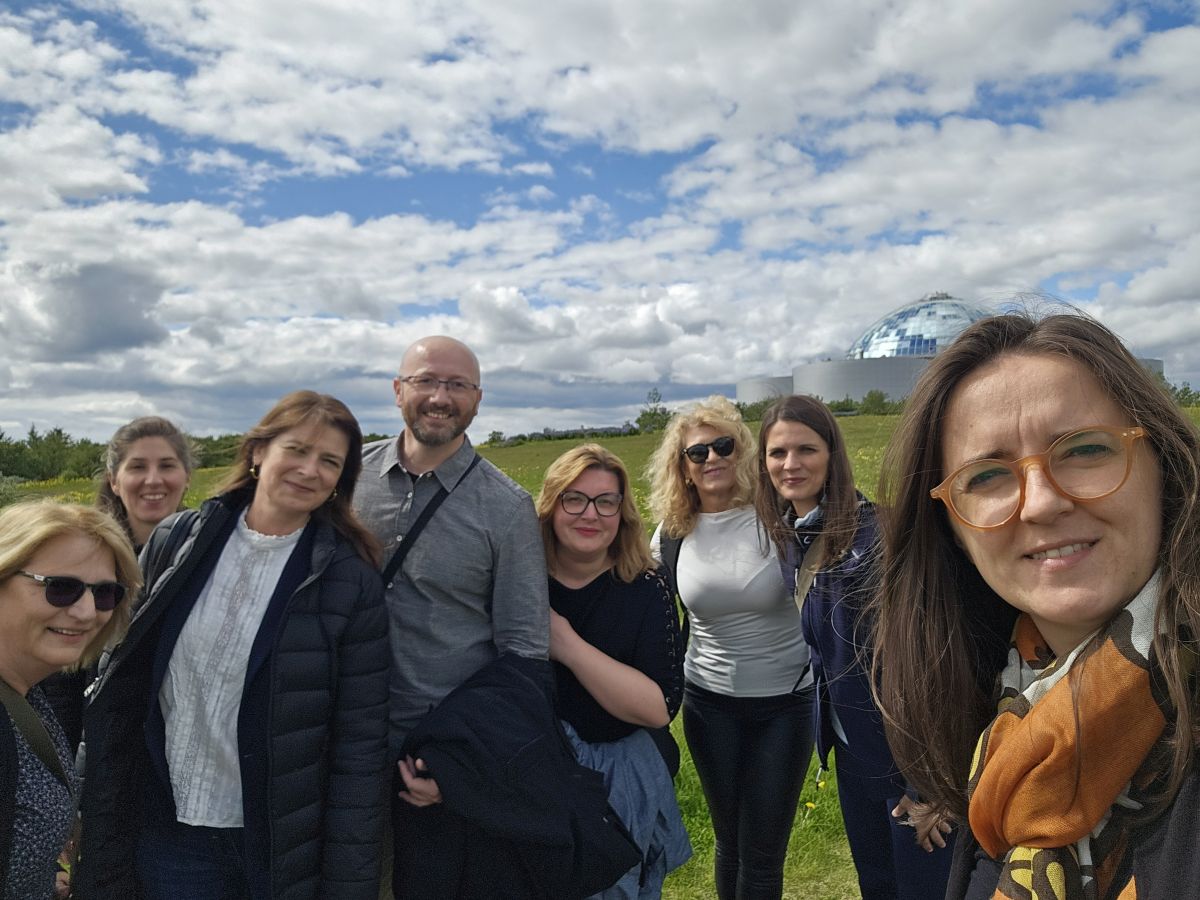
"Since the program was designed to follow the main goal of the conference, it was extremely interesting and useful to participate, and since the approach was inclusive, that is, interactive, we continuously had the opportunity for additional clarification of each part of the content. In addition, the workshop part, which lasted both days and was designed in groups, was well-prepared, clearly and thematically divided, and useful for concretizing theory into practice," emphasized our vice-rector.
Since the conference encouraged discussion among participants through various panels and thematic units, Vice-Rector Odak Krasić commented that "the focus was on the exchange of best practices and networking, which is certainly the greatest contribution of such gatherings. Since we realized that we all face the same challenges, it was easier to find alternative solutions and examples of good practices through group work."