Despite the dominant use of social networks and video platforms for information, students still trust traditional media more and strongly support the introduction of fact-checking in education.
The latest research conducted in collaboration with the Croatian Association of Digital Publishers (HUDI), the Faculty of Electrical Engineering, Computing and Information Technologies Osijek (FERIT) and VERN' University, as part of projects implemented through the measure "Establishment of media fact-checking and a public data disclosure system" supported by the Agency for Electronic Media (AEM), confirms the great interest and awareness among students about the importance of fact-checking, but also points to the challenges in the consistent application of these methods.
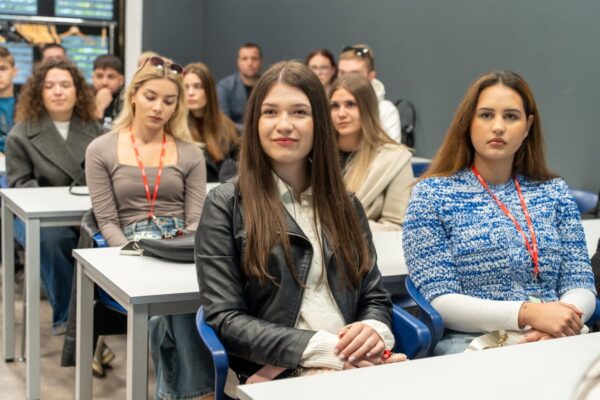
The research, conducted on a sample of 233 students from social-humanities , arts and natural-technical studies , showed that although 65 percent of students are dominantly informed via social networks, trust in such news sources remains low. Traditional media such as television and radio continue to enjoy the highest trust, while trust in online portals and influencers is significantly lower.
Key factors for trust in media sources are the quality and transparency of content, as well as impartiality in reporting. However, as many as one-third of respondents do not trust domestic media, indicating a deep-rooted distrust in the media space.
In the field of fact-checking, the majority of students know what this term means (78.5 percent) and strongly support its inclusion in the educational system (84.5 percent), believing that fact-checking should become a mandatory part of journalistic practice. However, only 22 percent of respondents often use fact-checking methods in their daily news checking, while a significant number do not use the available tools or are not familiar with them at all.

"This research confirms our experiences; students are aware of the problem of disinformation, but they lack the practical knowledge to recognize and verify it. That is why at VERN' we are not only developing fact-checking through research projects such as the specialized tourism information checker, TurFacto, but we have also integrated it into our curricula," emphasized Assoc. Prof. Dr. Marija Slijepčević from VERN' University.
Concerns about misinformation are expressed in the fields of tourism and electrical engineering, where false information can have serious consequences such as damaging the reputation of destinations, wrong consumer decisions and even security risks. More than 90 percent of respondents believe that fake news in tourism is a serious threat, and almost 87 percent believe that misinformation in electrical engineering and computing can cause significant negative consequences.
The research details also highlight differences between student groups: students from social and humanistic backgrounds are more likely to share news with the aim of raising awareness, while students from natural and technical backgrounds show a greater tendency to use digital sources and fact-checking tools.
This research project clearly demonstrates the need for further strengthening media literacy, systematic education on fact-checking, and a more responsible attitude towards the publication and dissemination of information in the digital age.
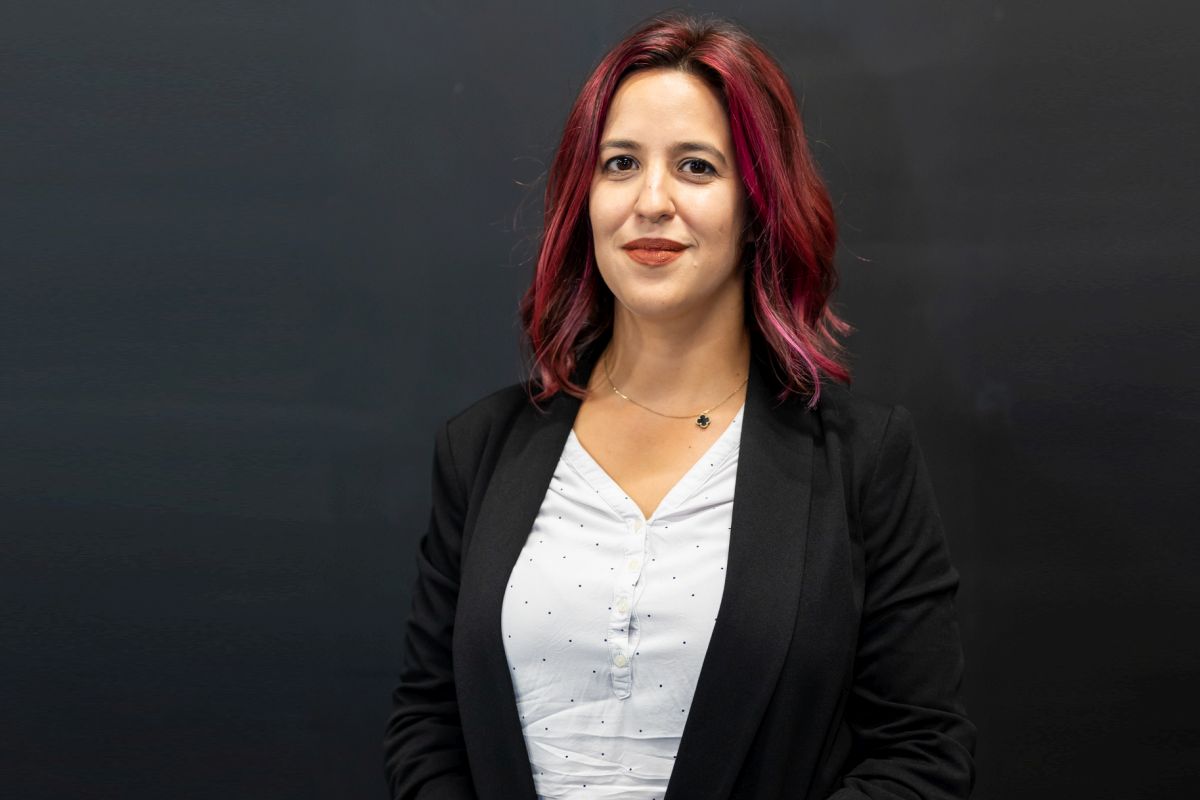
"The research confirms to us that students want to understand and use verified information, but at the same time they show that much more work is needed on the practical application of fact-checking tools and methods. This is a clear signal that the education system and the media should jointly build sustainable models of media literacy - not only through theory, but through real examples and everyday practice," said Iva Šalamon , head of the HUDI fact-checking team.
Funded by the European Union – NextGenerationEU. The views and opinions expressed are those of the author only and do not necessarily reflect the official views of the European Union or the European Commission, nor of the Agency for Electronic Media. The European Union and the European Commission, nor the Agency for Electronic Media, cannot be held responsible for them.