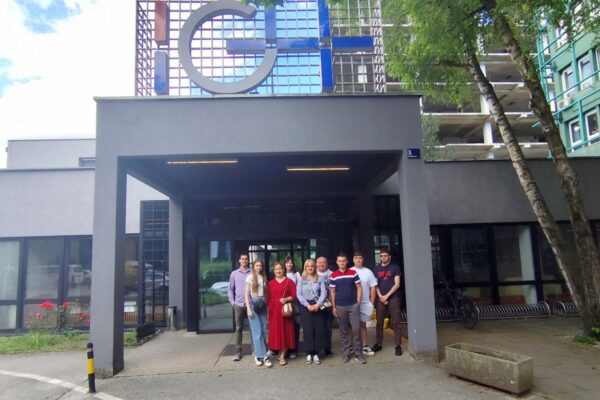
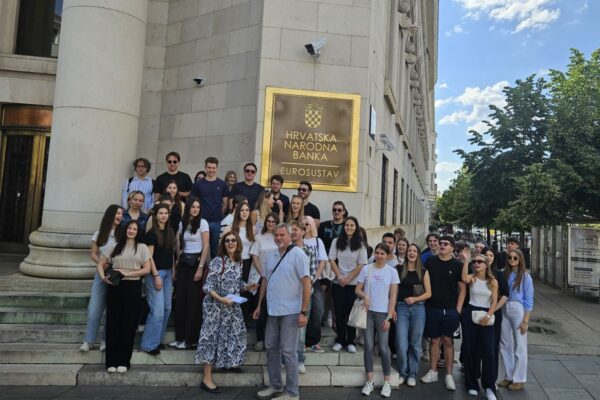
In addition to regular academic activities, students also attended field trips where they collaborated with local entrepreneurs, business experts, and local government representatives.
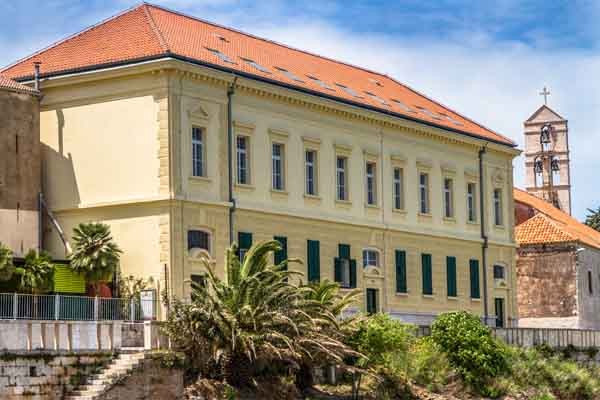
In the April cycle of "elective island courses" held at VERN's international university center on the island of Vis - VERN' Island School - three groups of our students attended three different elective modules during April, each module being intended for a separate group of students and consisting of two elective courses:
Module A1:
- Franchise business ( Ljiljana Kukec )
- Social Entrepreneurship and Social Innovation ( Mirna Karzen )
Module A2:
- Human Resources Management ( Ivana Vrhovski )
- The Art of Business Negotiation ( Saša Petar )
Module A3:
- Sales Management ( Dijana Vuković )
- Consumer Behavior ( Boris Jurič )
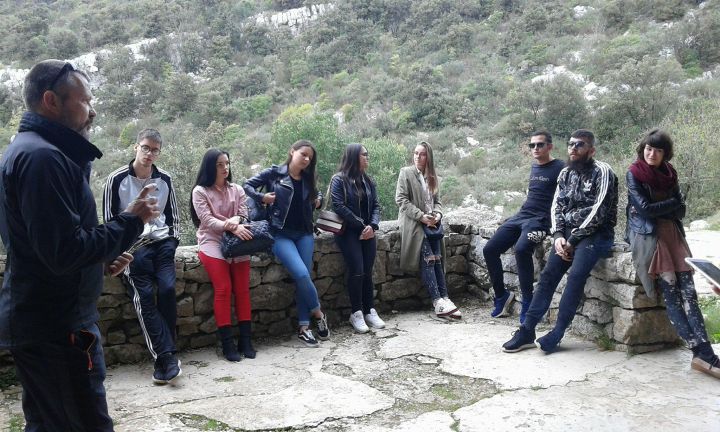
In addition to regular academic activities and theoretical classes and tours of the island, during their stay on Vis, students also attended field classes where they expanded their theoretical knowledge from the lectures, and collaborated with local entrepreneurs, business experts and representatives of local authorities.
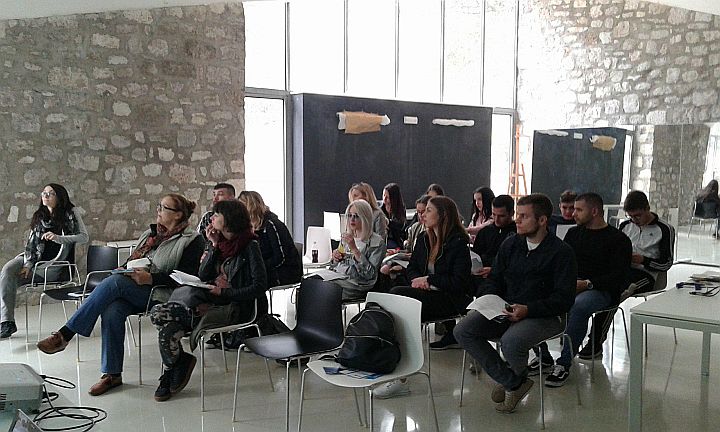
For example, the group from module A1 visited Komiža where they listened to a lecture on Local Action Groups, so-called LAGs, and they also engaged in a business simulation of creating a potential franchise through the design of lavender liqueur. For the group of students from module A2, a guest lecture was held by Antonija Uskok , Deputy Mayor of the Town of Vis, and Ivana Galonja , bankruptcy administrator of the Issa Hotel, who talked about employment and life on the island. The group from module A3 visited the Lipanović winery, where they learned about the process of production and marketing of their products.