It is an interdisciplinary study that combines knowledge of programming and electrical engineering, with an emphasis on Internet technologies, embedded devices, sensors and wireless communications.
The term “Internet of Things” encompasses everyday objects, or devices and their systems, that have the ability to collect data and intelligently process it, with the ability to communicate and share information. It is expected that the future will bring complete interconnection, from city traffic to medical devices and household appliances, smart watches and cars... When objects become “aware” of their environment and when they are enabled to communicate with each other, they become a powerful tool for understanding and efficiently managing the complex processes and situations they find themselves in. Although such smart objects can interact with people, they are more likely to communicate with each other, with minimal human intervention and independently update their daily activities depending on stimuli from the environment.
Revolutionary neurosurgical methods in health care, automated production facilities, various models of contactless payment by mobile phone, digitization of business, smart watches, energy efficient buildings, applications for monitoring health status, personalized fitness assistants and user oriented internet content, these are all benefits of using the technology known as the Internet of Things .
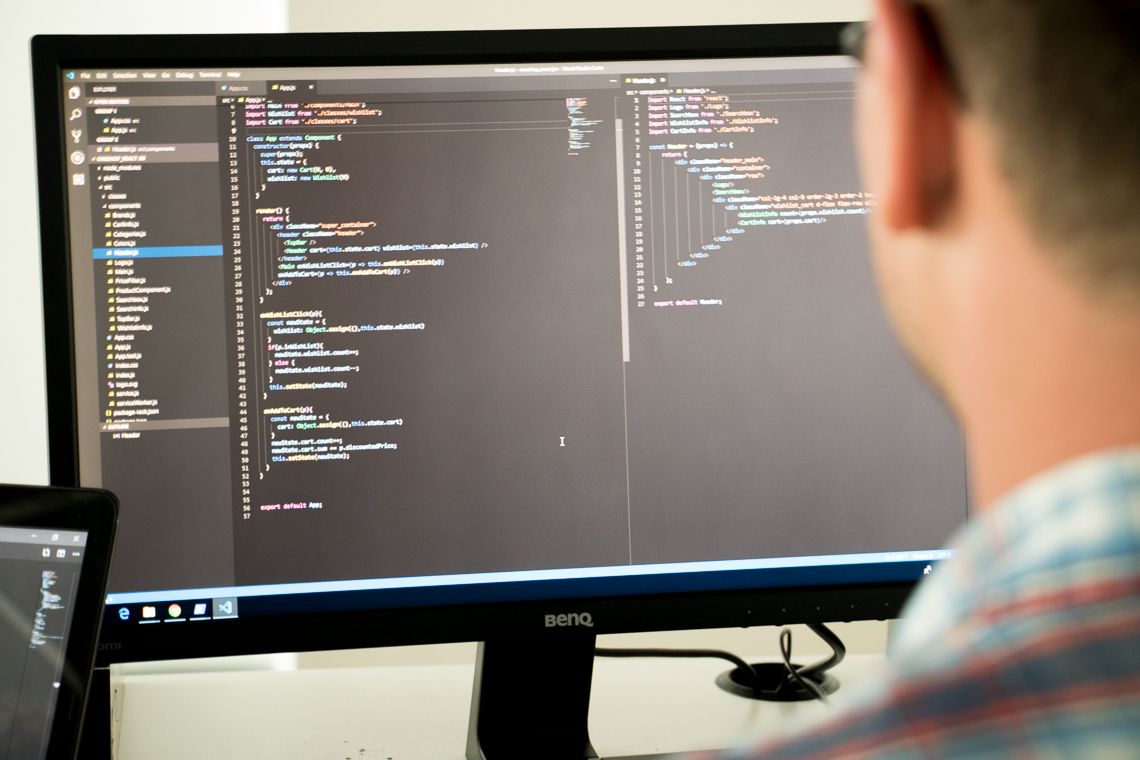
$1.9 trillion in value added
According to the European Commission, this year more than 50 billion people and devices in the world are connected to the Internet, which is the basis of one of the most disruptive technological revolutions since the advent of the Internet. If we add to this the estimates of the research company Gartner that so far this year, Internet of Things service providers have generated more than $300 billion in revenue, and in emerging markets, $1.9 trillion in added value has been achieved from the sale of Internet of Things devices, it is clear that the real potential of this economic niche in the future is becoming immeasurable, especially in the context of further technological development. Thus, we have scratched the very core of the Fourth Industrial Revolution, which presents the world with a series of fantastic opportunities. We are already using a number of benefits that this technology brings us, without even thinking about it.
Industry is looking for innovative engineers
The last great leap in digital connectivity has created hundreds of billion-dollar companies without which life and business have become unthinkable today (Google, Facebook, Amazon, Ebay…). We believe that the Internet of Things (IoT) will have the same developmental impact.
The globalized world in its economic development has an increasing need for the introduction of new technologies, and the Internet of Things technology is currently seen as a new major driving force for the entire economy. The ICT and manufacturing sectors are increasingly turning to the search for professions that combine engineering, programming and innovation knowledge and skills. The Croatian ICT sector, primarily export-oriented, is also beginning to emerge as one of the key generators of economic growth in the future. It is therefore not surprising that more and more young people are exploring the possibilities of higher education in the STEM field, but with the acquisition of multidisciplinary applicable knowledge and skills in the field of the Internet of Things .
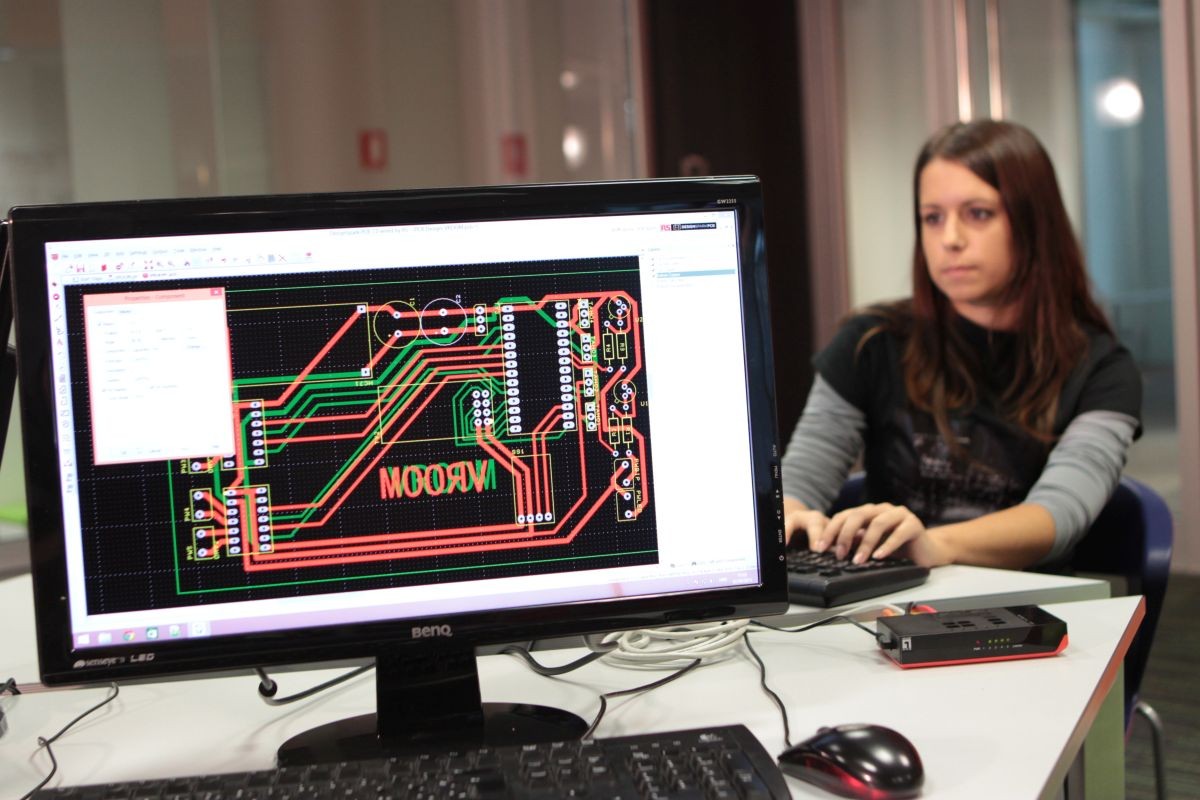
Multidisciplinary tech experts
Curiosity and love for technology are important components of the life of every IT professional, scientist, and even user. Their combination has defined many careers, products, and services, and for their creators, it is a lot of fun. Today we are talking about a new willingness for curiosity and technology to result in huge progress in the new ICT field of the Internet of Things.
Starting this fall, they will have the opportunity to study in this technological field at the unique undergraduate Internet of Things program at VERN' University .
It is an interdisciplinary study that combines knowledge of programming and electrical engineering, with an emphasis on internet technologies, embedded devices, sensors, and wireless communications, and will provide students with access to the latest technologies and participation in the development of innovative products and services.
During their studies, students will learn to program a new wave of connected devices and sensors, explore world-changing software and hardware, connecting them to create radical new services and products. They will acquire a broad range of knowledge that will serve as the foundation for an ambitious career in the fields of software development, mobile communications, electronic circuits and systems, and all other components in the upcoming world of the Internet of Things. Upon completion of their studies, students will have all the prerequisites for working in large ICT systems and companies, and perhaps most importantly, they will gain the technical and entrepreneurial knowledge necessary to realize their own business projects.
More information about the content of the study can be found at the Internet of Things link.