"This was an extremely useful opportunity for us to take a closer look into the world of film heritage protection and archiving."
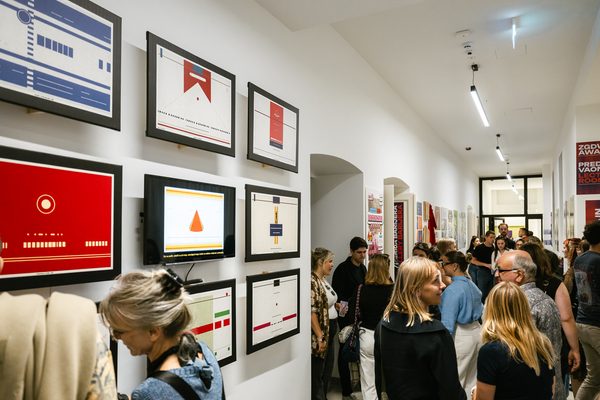
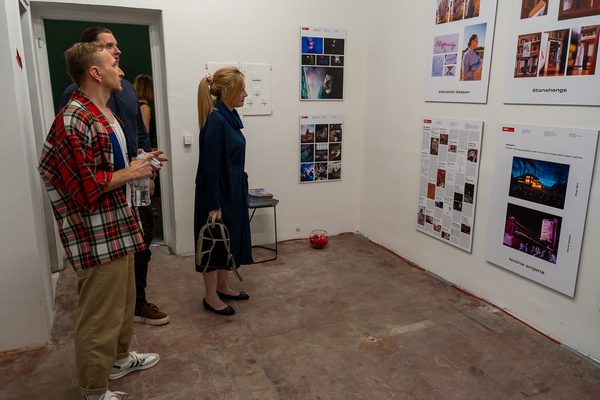
A group of about 20 students from VERN's undergraduate studies in Film, TV and Multimedia Design and Transmedia Dramaturgy visited the Hungarian Film Laboratory and Film Archive in Budapest (Nemzeti filmintézet – filmlabor te Filmarchívum) at the end of May.

Our students were accompanied on this two-day trip by professors Dr. Ozana Ramljak and Carmen Lhotka , and this was a great opportunity for everyone to gain deep insight into the process of chemical film processing, restoration, color correction, archiving, and other activities that these institutions engage in.
On the first day, they toured the impressive Hungarian Film Laboratory facility, where they were given an introductory lecture in a state-of-the-art small-scale cinema by the laboratory's production manager, Tamás Bódizs . They then had the opportunity to try out the Baselight program on equipment specially designed for color correction and with a parallel display of test material on screens and on the cinema screen. During the rest of the tour, they got to know different departments such as older and newer chemical film processing facilities, digital image and sound restoration studios, and offices for traditional film color correction. They learned that the laboratory is now operating on a much smaller scale than in the 60s and 70s, but it is still responsible for the inheritance of historical material and the development of new works of art of high value (such as recent blockbusters Brutalist, Poor Things, and Maria).
The second day was reserved for a visit to the Film Archive, where they gained insight into the mission and point of the archive through educational sales and screenings of Hungarian short film classics. In addition to several speed masterclasses by various technicians who spoke about the nature of the archivist's job and their responsibilities, which was an excellent complement to Professor Lhotka's lecture, they also went through an interactive segment with the librarian of the archive's film library. She showed them archive scripts, film posters, devices like zoetropes and the occasional piece of film tape and gave them magnets as souvenirs. A special moment of the visit to the archive was a tour of the strictly atmospherically controlled film storage room, where talking is prohibited due to the regulation of humidity in the air.
"This was an extremely useful opportunity for us to take a closer look at the world of protecting and archiving film heritage. In addition to useful practical lessons, we also benefited from broadening film perspectives and receiving a great boost for researching foreign cinema, starting with our close-knit Hungary," concluded the students, whose video of the visit can be viewed below.
(collaborated with: Petar Bubalo)