„Najveća vrijednost međunarodne razmjene po mom mišljenju, leži u kombinaciji osobnog rasta, kulturnog obogaćivanja i profesionalnog razvoja.“

Spending part of their studies in an international environment represents a kind of stepping out of their comfort zone for many students, but the benefits of international mobility significantly outweigh the initial feeling of discomfort and uncertainty.
As Bruna Čengić , a student in VERN's undergraduate Public Relations program , explained to us: "The Erasmus experience for me was more than academic training - it was a deep personal and professional journey."
She used the benefits of Erasmus twice.
"This allowed me to spend 12 months studying in two different countries and at two different reputable institutions. I spent the first semester in Paris, at EFAP, one of the best communication schools in France, and then I went to Madrid, to ESIC University, which is known for its strong specialization in the field of marketing and business."
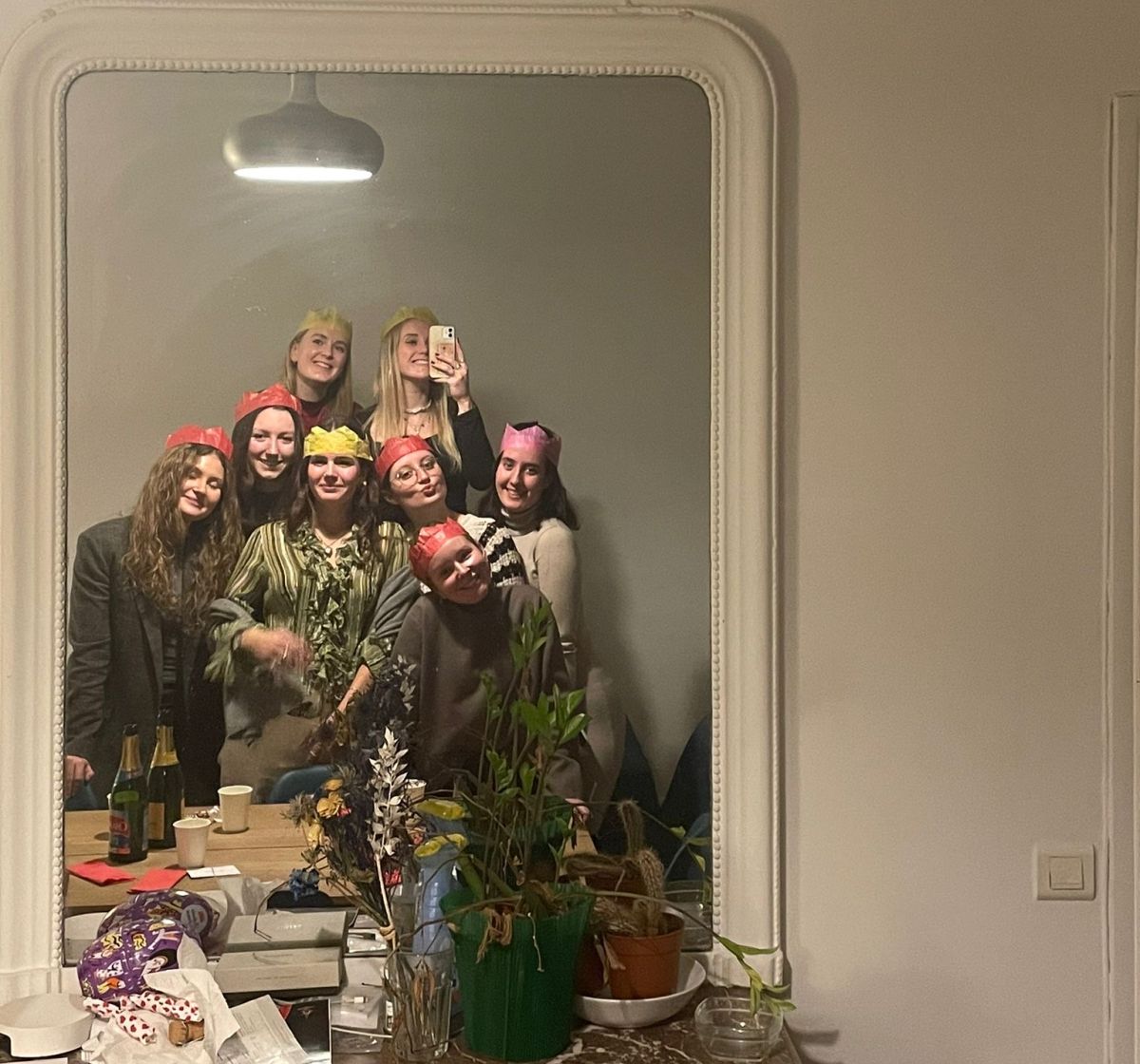
"At EFAP, I took courses such as Project Management, Law in Communication and Media, Digital Transformation, Journalistic Expression, Intercultural Communication and Advertising Culture. This gave me an in-depth insight into contemporary challenges and approaches in communications and media, but I also developed practical skills necessary for working in the industry. At ESIC, I took courses that allowed me to expand my knowledge of market strategies and consumer behavior such as: Market Research, Consumer Behavior, Industrial and Service Marketing, Product Policy and Sales Management. Extremely useful for understanding communication and PR campaigns from a marketing perspective."
What differences in access to education have you noticed compared to studying in Croatia?
"VERN' follows modern trends in education and enables high-quality academic development in Croatia, but France and Spain differ in their approach to higher education. Thus, at EFAP in Paris, the emphasis was almost entirely on practical work - lectures began with the theoretical part, but more than half of the time was devoted to group projects that lasted the entire semester and made up the bulk of the grade. On the other hand, in Madrid at ESIC, the educational model was somewhat more conservative. Although projects and practical work were also important, how to pass the course, you had to write a certain number of exams, so-called midterms, so that this system seemed less dynamic to me than the one at VERN, which often implies more flexible and interactive approaches. However, three different educational cultures, but each of them has its own strengths and weaknesses.
It is noticeable that students use their stay abroad, in addition to academic development, for social development and to get to know cultures and environments.
"Exactly, but since Paris and Madrid are among the most popular tourist destinations in Europe, I didn't focus so much on traveling outside the cities , but rather got to know these environments through their everyday life – exploring parks, local museums, exhibitions and cultural events, as well as tasting traditional food in smaller, authentic restaurants and cafes. I also went to concerts by world-famous performers, which further enriched my cultural experience and allowed me to experience the atmosphere of the cities through music and connect with local and international audiences. In this academic-social context, I would highlight networking with professors from different fields and business experts, which was truly one of the most valuable experiences for me. . These contacts not only enriched my knowledge, but also opened the door for future collaborations, internships and career development opportunities on an international level. After all, I gained a broader picture of the world of communications, culture and business, which further motivated me to continue my academic and professional journey with even greater passion."

What would you highlight as the greatest value of international exchange?
"The greatest value of international exchange, in my opinion, lies in the combination of personal growth, cultural enrichment and professional development. Meeting different people and cultures breaks down prejudices and develops tolerance and empathy, which is of crucial importance in today's globalized world. Such an experience teaches us to accept diversity and find common ground despite cultural differences. At the same time, international exchange is an excellent school of independence and responsibility."
"For students from Croatia, where living with their parents during their studies is often the norm, this is an opportunity to experience life in their own way, to manage everyday challenges and to become independent, which is an invaluable experience for the future. In addition, getting to know different educational systems and professional practices provides a broader view of one's own field of study and prepares us for a competitive job market that increasingly demands international competences and experiences. I would like to add in conclusion that I believe that international exchange is an indispensable part of modern education and life experience, which shapes young people into open, flexible and competent citizens of the world."