The factchecking service developed by VERN University and the Croatian Association of Digital Publishers will deal with fact-checking in the tourism sector.
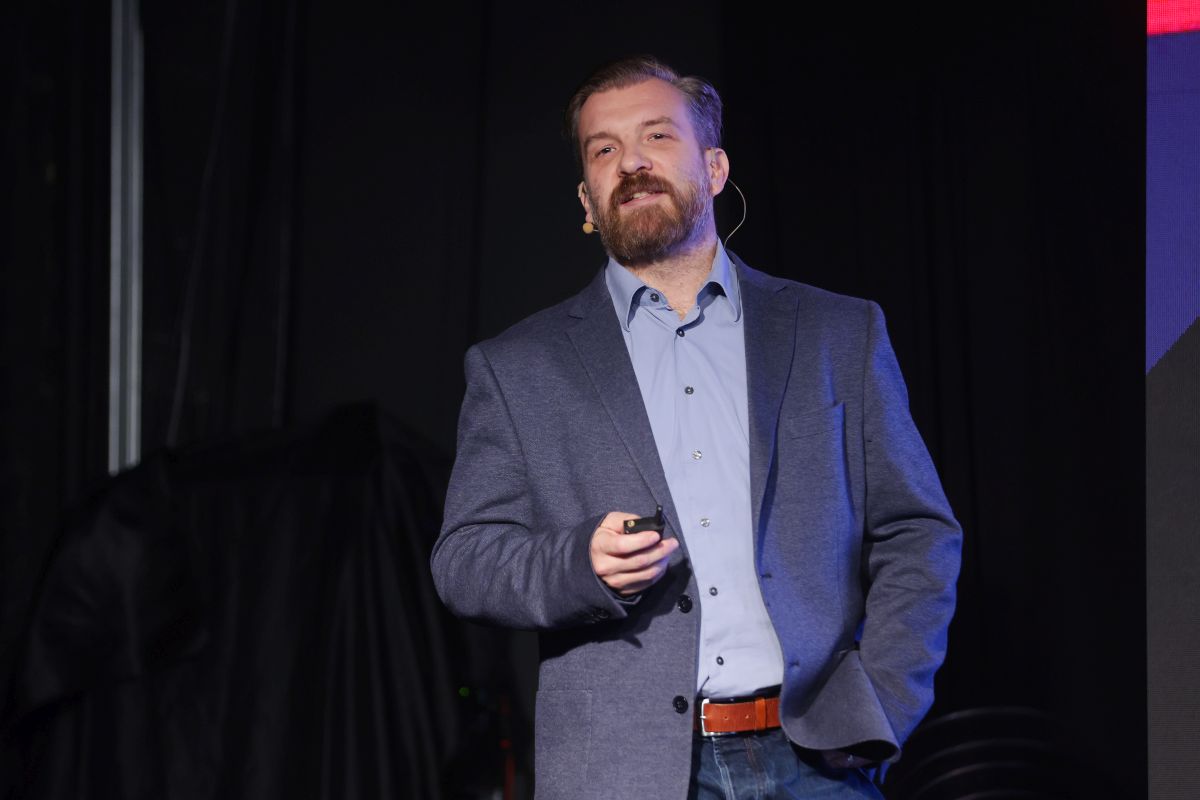
Fake news and factchecking were among the main topics of this year's SoMo Borca, the main event in the region that brings together leading digital experts. As part of the program, the editor-in-chief of the web edition of the Večernji list, Dario Markas, gave a presentation entitled "Why is fact-checking still important?", in which he mentioned several examples of the marketing of disinformation on the Croatian market and explained how to defend against fake news in the age of social networks and the high speed of information dissemination.
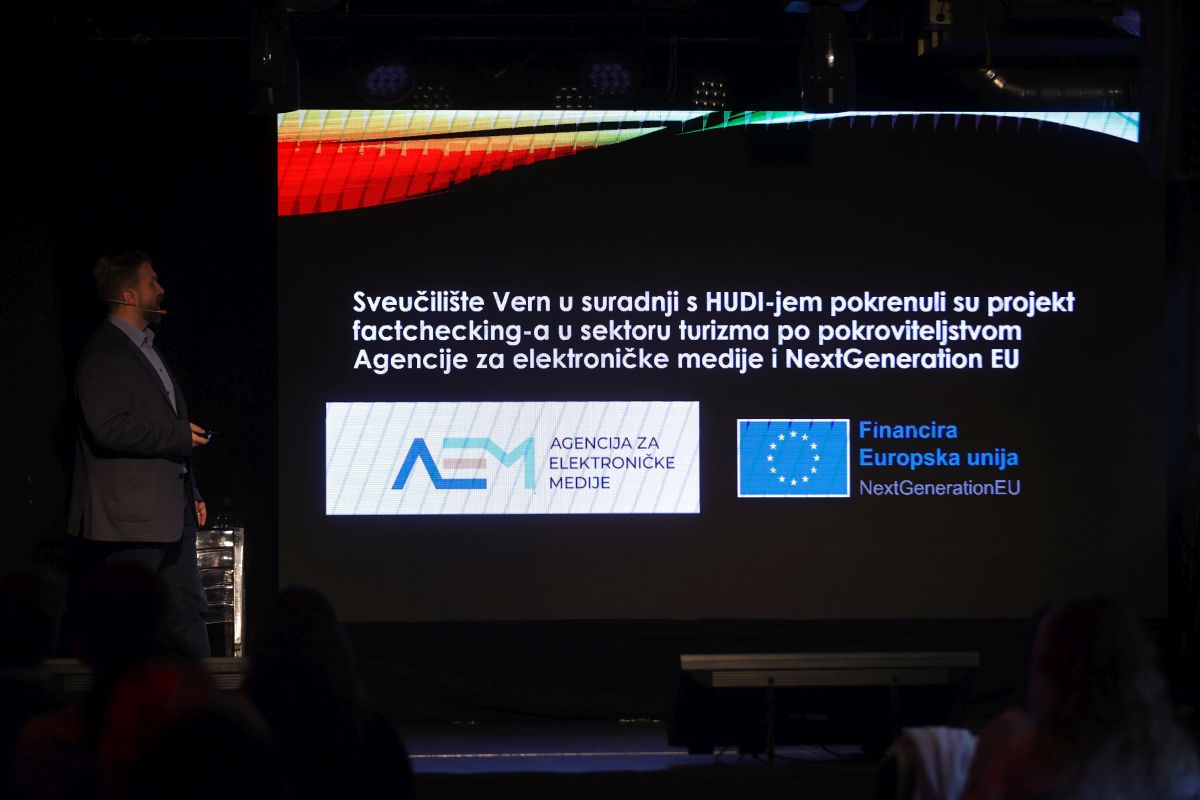
Following this, he announced a new project by VERN' University and the Croatian Association of Digital Publishers (HUDI) , which is the launch of a fact-checking service in the tourism sector .
"All research shows that readers primarily want mainstream media to stop disinformation from reaching the public, and therefore it is our responsibility to verify information at the highest possible level, because fake news is becoming increasingly sophisticated and unfortunately journalists can no longer rely on 'believe your own eyes'. However, we must never lose sight of the fact that disinformation is inherently verifiable, and fact-checkers certainly help us greatly in this process today," said Markas .
Benefits of fact-checking in tourism
In addition to combating the spread of misinformation and ensuring that accurate information is available to the public, fact-checking holds individuals and organizations accountable for the information they disseminate. Active and rigorous fact - checking promotes transparency and integrity in reporting and reduces the risk of erroneous or biased information influencing public perception, and is essential for maintaining a well-informed citizenry.
Fact-checking helps protect the credibility and reputation of journalists and news organizations. In an era of declining trust in the media, the practice of fact-checking can demonstrate a commitment to accuracy and impartiality, which is essential for maintaining public trust and confidence in the news industry.
Fact-checking plays a key role in combating disinformation campaigns. By providing evidence-based analysis, fact-checkers can effectively challenge false narratives and help prevent the harmful consequences that can arise from widespread belief in disinformation. Therefore, VERN' University, in collaboration with the Croatian Association of Digital Publishers, decided to launch a fact-checking project in the tourism sector.
In the tourism sector, factchecking can provide accurate and up-to-date information about tourist destinations, attractions, prices and services in Croatia. This is particularly valuable for tourists who rely on online sources to plan and book their trips. It can expose false or exaggerated claims made by certain tourist destinations or companies and can prevent the spread of misinformation that can damage Croatia’s reputation as a tourist destination. Inaccurate or false information can circulate on topics such as safety, cultural customs or local customs, leading to misconceptions that turn off potential tourists. By fact-checking and correcting such misinformation, Croatia can maintain a positive image and attract more visitors.
Funded by the European Union – NextGenerationEU. The views and opinions expressed are those of the author only and do not necessarily reflect the official views of the European Union or the European Commission, nor of the Agency for Electronic Media. The European Union and the European Commission, nor the Agency for Electronic Media, cannot be held responsible for them.