IoT development project
ECTS: 5
Year/Semester: 3 . years, 5 . semester
Total hours: 60
Lecturers
Course objectives
In order to better prepare students for the dynamic job market that requires rapid adaptation and practical knowledge, a practical project has been organized in which all students must participate. The goal is for them to use the knowledge and skills they have acquired in previous semesters and, with the help of their teachers, create a finished product. Such experience will be of exceptional benefit to them and will make them more competitive. After creating the aforementioned project, students will have a quality practical foundation that can help them understand more advanced concepts of the Internet of Things paradigm. Projects and practical work are useful in generating ideas and identifying the need for scientific research work, so a project in the last year of undergraduate studies is an excellent foundation for further education and development.
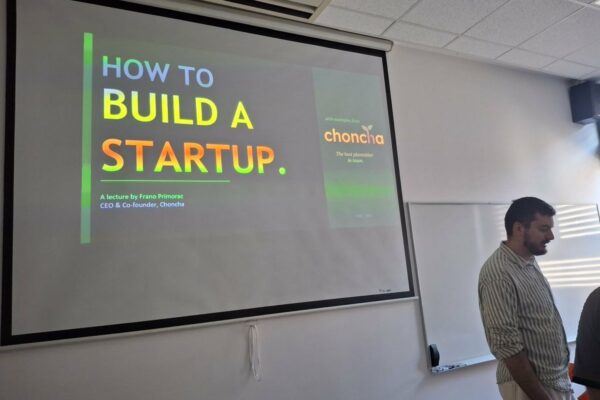
The goal is to encourage students to come up with their own ideas for the products they will create on the project, and some of the ideas will also come from their teachers. Also, students on the project will go through all phases of product creation, from developing the idea itself, planning, design, development and test implementation, to the efficient presentation of the finished product. The emphasis is on demonstrating competence in all these aspects, rather than on performing predefined routine tasks. It is realistic to expect that some of these projects will develop into startup companies, especially considering the fact that students are provided with an incubator for their entrepreneurial ideas, which provides them with the necessary infrastructure and thus facilitates market entry.
Learning outcomes
In order to better prepare students for the dynamic job market that requires rapid adaptation and practical knowledge, a practical project has been organized in which all students must participate. The goal is for them to use the knowledge and skills they have acquired in previous semesters and, with the help of their teachers, create a finished product. Such experience will be of exceptional benefit to them and will make them more competitive. After creating the aforementioned project, students will have a quality practical foundation that can help them understand more advanced concepts of the Internet of Things paradigm. Projects and practical work are useful in generating ideas and identifying the need for scientific research work, so a project in the last year of undergraduate studies is an excellent foundation for further education and development.
The goal is to encourage students to come up with their own ideas for the products they will create on the project, and some of the ideas will also come from their teachers. Also, students on the project will go through all phases of product creation, from developing the idea itself, planning, design, development and test implementation, to the efficient presentation of the finished product. The emphasis is on demonstrating competence in all these aspects, rather than on performing predefined routine tasks. It is realistic to expect that some of these projects will develop into startup companies, especially considering the fact that students are provided with an incubator for their entrepreneurial ideas, which provides them with the necessary infrastructure and thus facilitates market entry.